

Argue well, live well: debate’s impact on personal development
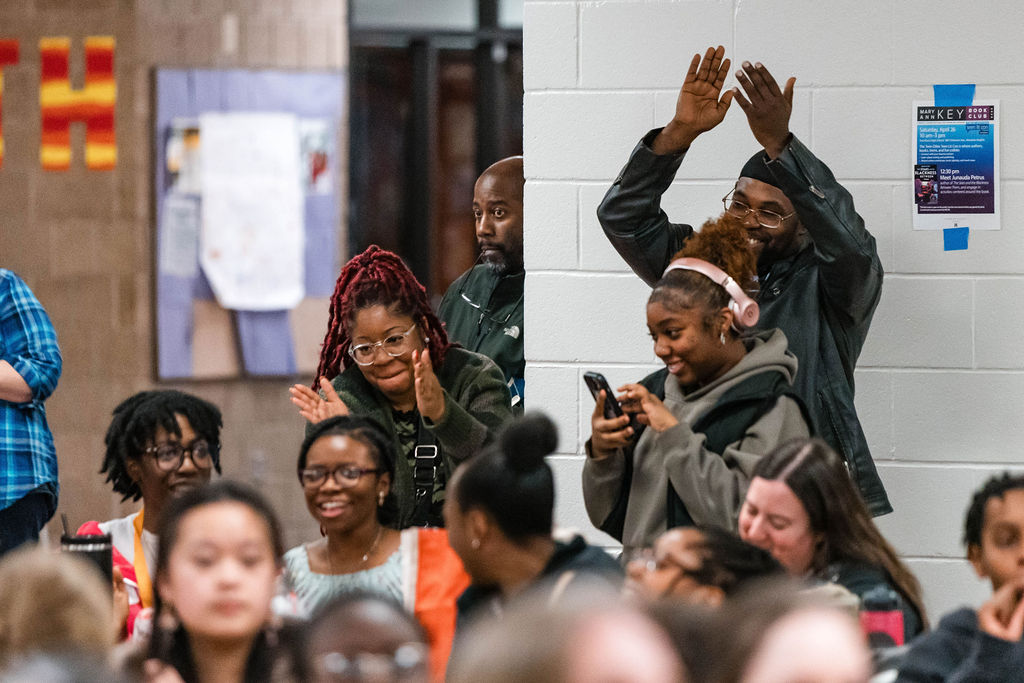
The greatest gift competitive debate gives students has nothing to do with winning rounds.
Ask most coaches what debate teaches, and they’ll name skills like public speaking, critical thinking, and quick thinking under pressure. These matter. But they’ll also tell you debate teaches something deeper, changing how students see themselves, how they treat others, how they face the world beyond tournaments.
Youth are navigating a world that can feel overwhelming and uncertain. Nearly one in five teenagers reports feeling lonely, according to the World Health Organization’s Commission on Social Connection. That makes teens the loneliest age group on the planet. Mental health challenges among young people have risen sharply over the past decade. Yet studies consistently show that when youth feel a sense of belonging, purpose, and agency, they can go beyond survive these years to flourish. They stay in school, build stronger relationships, and carry a genuine sense of hope into adulthood.
Today’s generation is actively searching for spaces where that connection feels real: where they are challenged, valued, and part of something larger than themselves. Debate is one of those spaces.
It’s no accident. Here at the Minnesota Urban Debate League, our coaches are specifically trained to integrate social-emotional learning into every practice and every round. They teach not just how to win arguments, but how to set goals, bounce back from failure, support teammates, seek feedback, and believe in their own growth.
Our most recent Social & Emotional Learning (SEL) Survey, developed by Dr. Briana Mezuk of the University of Michigan specifically for debate leagues, sheds a light on debate’s deeper impact. Read on to learn more.
A growth mindset, built through reps
One of the most foundational qualities researchers link to long-term success is the belief that intelligence and character are not fixed. Effort matters. Debate is building this belief in Minnesota’s youth.
88% of surveyed debaters agreed that they can become more talented or smarter if they work at it. 86% said they’ve learned to try harder and not give up. These students went to tournaments, lost rounds, rewrote cases, came back, and saw themselves improve. The activity put them in situations where growth was demanded, and they rose to meet it.
Perhaps most meaningfully, 72% said that doing debate has helped them believe they can change themselves for the better. That belief, once formed, doesn’t stay in the room where rounds are held.
Setting goals for a successful future
Goal-setting sounds simple until you actually try to teach it. Urban debate gives students a structure that makes it tangible. There’s always a next tournament, a next argument to master, a next speaker point to improve. The season has a shape, and students learn to work within it.
74% of debaters reported actively working toward goals in debate, while 60% said debate has helped them build goal-setting skills they carry back into school. Learning to break a long-term ambition into short-term steps takes practice, but more than half of students see themselves developing this capacity through debate.
Facing challenges without falling apart
The systems meant to support young people are strained, and students are increasingly left to navigate hard moments without adequate tools.
Debate offers a setting in which students can practice the tools of resilience, repeatedly, among a supportive community. Every debater knows the feeling: you’re in a round, something goes wrong. Maybe the evidence isn’t where you thought it was, your opponent makes an argument you’ve never heard, you lose your place. How you respond in the moment changes the trajectory of your round and the overall tournament.
Every debater will eventually experience the joy of winning and the frustration of losing a round. Whatever any round’s outcome is, advice from judges, teammates, and coaches helps debaters reflect, regroup, and enter the next round prepared to succeed.
82% of debaters said they’re able to control their emotions when facing a challenge in debate. 74% said they can work through confusion to find a solution. And 75% said debate has helped them learn how to work through challenges in the activity itself, with more than half reporting that those skills have transferred to the challenges they face in school.
Resilience is a muscle that debate trains, repeatedly. Our survey data suggests those reps are paying off.
A culture of respect
According to the aforementioned WHO report, researchers studying teen loneliness find that what drives it is not a lack of social contact. Instead, it’s dissatisfaction with the quality of their relationships, an unmet expectation of what connection should feel like. Positive, confidence-building experiences with peers during adolescence are among the leading practices researchers recommend for helping young people develop meaningful relationships that combat loneliness and social isolation.
That’s what debate teams, at their best, provide. Our survey results on prosocial behavior reveal a team culture that coaches work hard to build and students genuinely inhabit.
91% of debaters said they respect their teammates. 88% said they feel respected in return.
And 86% said they actively go out of their way to help teammates because they want their team to have a positive culture. Students have internalized what it means to be part of something bigger than themselves.
Feedback as fuel for improvement
One of the most important skills debate cultivates is perhaps the least glamorous: the ability to receive feedback gracefully and use it productively.
93% of debaters said they are open to receiving feedback from judges and coaches. 75% said they write it down and actually use it. These students understand that feedback is data, not a verdict on their worth. Every round ends with a ballot, and every ballot is a lesson. By placing judges trained to provide constructive criticism and students in a structured setting, debate teaches students to see feedback as a tool.
As a result, 65% of debaters said that debate has built their ability to receive and use feedback from teachers in school, suggesting that the mindset, once developed, crosses contexts.
The bigger picture
The CDC identifies school connectedness, the belief that others at school care about you and your well-being, as one of the most powerful strategies available for protecting student mental health.
94% of debaters feel their coach encourages them to do their best. 91% believe their coach would speak out to defend them. 83% say debate has improved their critical thinking. 82% say it has given them the skills to influence those around them. And 88%, nearly nine in ten students, say that doing debate has positively impacted their life.
When you give a young person the tools to argue well, you give them the tools to live well.

