

Dream big, argue well:
Jennie Maes debate alum spotlight
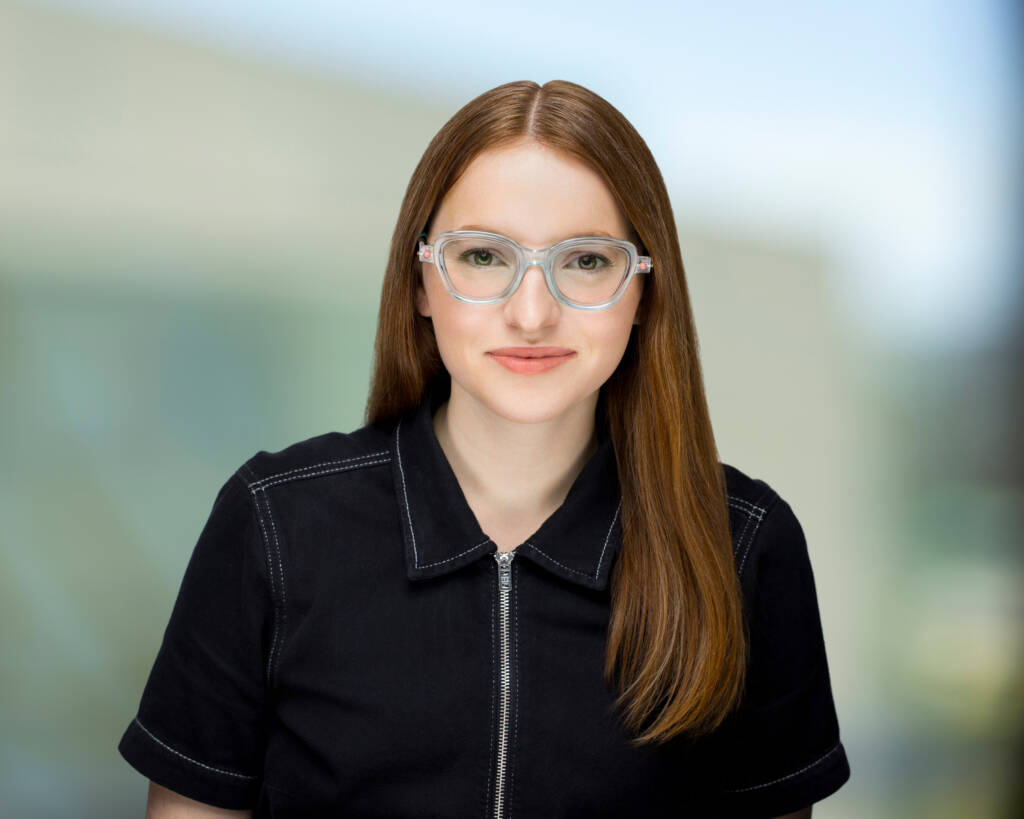
How a debater from Mankato West became an Officer of Leadership Communications at the Gates Foundation, and why she says debate made all the difference.
Jennie will tell you she was never an all-star debater. But when she reflects on her career today – coordinating global communications at the Gates Foundation in Seattle – she traces a clear line back to the debate rounds, the cold January bus rides, and the coaches and teammates who shaped her in Minnesota.
“I truly believe those skills had a profound impact on me, both personally and professionally,” she says. “I’m so grateful.”
As an Officer of Leadership Communications at the Gates Foundation, Jennie project manages complex, high-profile leadership trips and public communications on behalf of some of the most influential voices in global philanthropy, including Bill Gates and CEO Mark Sussman. She is, by every measure, someone who is changing the world. What brought her there, she’ll tell you without hesitation, started right here in Minnesota.
From Mankato West to the Gates Foundation
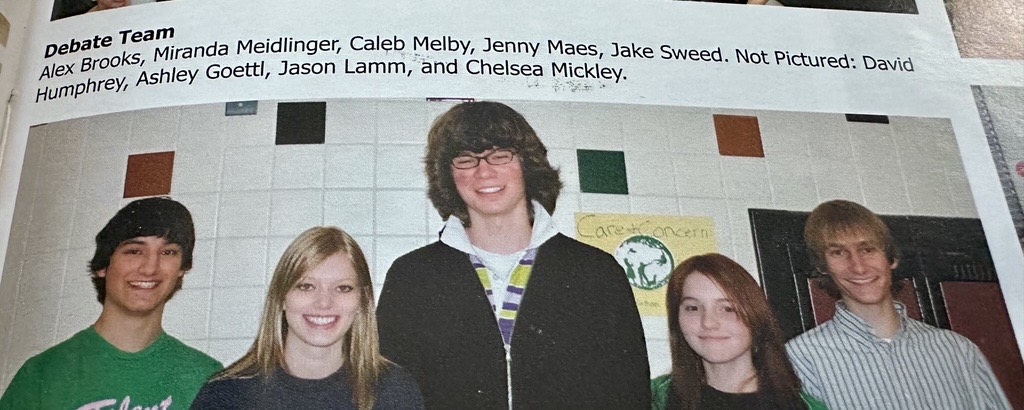
Jennie debated at Mankato West her freshman and sophomore years, under the mentorship of the legendary Bob Ihrig. She remembers her “chaotic” novice year, with the Guantanamo Bay topic, and the challenges she faced sophomore year, when debate got harder.
“I remember my inner saboteur was just so present. I frankly struggled. I remember sometimes thinking, why am I getting up at the crack of dawn? It’s January in Minnesota, I’m getting on this cold bus…”
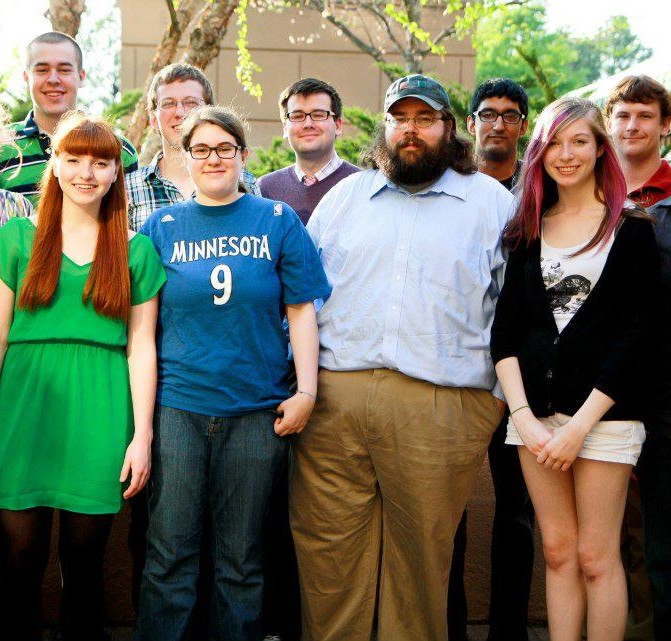
She didn’t go on to win state. She stepped back from debate during her junior and senior years, trading her time for hockey and theater. But when she arrived at the University of Minnesota, she joined the debate team again. Going back into junior varsity felt a lot like being a novice all over again.
“Sometimes we got our butts kicked so hard, and other times it was just great. Being in the van and traveling around the country were such formative years for me.”
It was at the NDT at Emory University, where she was there as support, not a competitor, that something clicked. A woman gave a presentation about how she’d made her way up to clerking at the Supreme Court, tracing every step back to debate.
“I just remember thinking, if there’s a world where I ever get to use these skills in my professional life, that would be such a dream.”
That dream came true, step by step. She majored in political science, worked in government for nearly a decade, including time in the governor’s office, the speaker of the Minnesota House of Representatives, and eventually made her way to Seattle and the Gates Foundation.
“If you look at my career, it looks like I kind of stumbled into everything. But I think that’s because I was really just finding my passions and cultivating my network.”
The debate skills that never left her
Ask Jennie how she uses her debate training today, and old habits die hard. Like any debater, she crystallizes her answer with three reasons.
- Topicality. In a 2,000-person organization where everyone wants to add their priority to the agenda, she constantly pulls the conversation back to the North Star. “What is the topic? What are we trying to solve here? Because otherwise things can go in twists and turns, especially in a large bureaucracy.”
- Knowing your audience. Before every major presentation or senior-level email, she thinks about judge philosophy. “I will sit down and say: who is my audience? Their focus is going to be on protecting their time. How am I tailoring what I’m saying to not only meet their objectives, but to communicate that I understand their philosophy? Because that is what establishes trust.”
- Answer-to files — A2s. This, she says, is her favorite. “As a project manager, I’m often very delicately trying to bring groups of people together who all come with very different needs. As I’m getting ready for a trip or a meeting, I think through everything I’ll present: what’s the A2? What is my manager going to ask me about this, and what is my response?” She adds: “I often get told in performance reviews that they really appreciate how proactive I am. And I think that’s the A2 mindset.”
She also points to research skills and evidence evaluation as more vital than ever in an age of AI and misinformation. “Debate gives kids an opportunity to build those skills in a concrete way, first and foremost, before the tools take over.”
What she wants debaters to know
Jennie grew up in Mankato, not at a school with outsized debate funding. She remembers walking into tournament rooms and feeling out of place. That experience shapes everything she wants to say to today’s debaters – especially the young women among them.
“You are welcome in these spaces. This is hard, whether you are an NDT debater, a state champion, or someone who goes to one novice tournament and that’s it. You will benefit from this activity, regardless of what you do with it, just by showing up. Don’t let the fear prevent you from joining.”
She also pushes back against the “gamification” of a young person’s career. She sees the pressure, amplified by social media, to have everything mapped out. She knows that pressure firsthand. She worked through college to pay rent and groceries, and felt lost after graduation while other students had stacked internships she couldn’t afford.
“I would just encourage everyone to stay as present as possible. If you’re stressing about what comes next, you’re not going to be present. You’re not going to be able to take in what is being offered to you in a debate round, from a coach, or from your teammate.”
And her final word for students: “Whether or not you feel the rewards of what you’ve done, they are there. Debate skills truly sit with you. I use my debate skills every day. These will be with you for the rest of your life.”
The community that carries you
Jennie says: “The debate community is everything.” She’s still in touch with many of her debate partners. She keeps up with teammates and coaches who made the long tournament weekends more than just a competition.
“I remember coming out of some debate rounds, just feeling so down. It is the hardest activity I have ever done in my life, without a doubt. You really need to lean on your teammates.”
But in the same breath, she talks about the joy: watching someone speed-read for the first time, the look on her parents’ faces at her very first tournament.
“I will never forget it. They didn’t understand anything that even happened here. But we won.”
That mix – the hard and the joyful, the crushing rounds and the laughing on the bus home – is an ethos she carries into her work at the Gates Foundation every day.
“I’m often complimented for just being positive and keeping things lighthearted. That is something I learned from debate.”
Jennie’s story reminds us that debate has never been about producing champions. It’s about equipping students with the confidence, the curiosity, and the resilience to go out and build something meaningful. You don’t have to be the best debater in the room to carry these skills for life.
Help us keep these doors open for the next Jennie. Give to the Minnesota Urban Debate League.

