

What “Immutable” Gets Right About Urban Debate
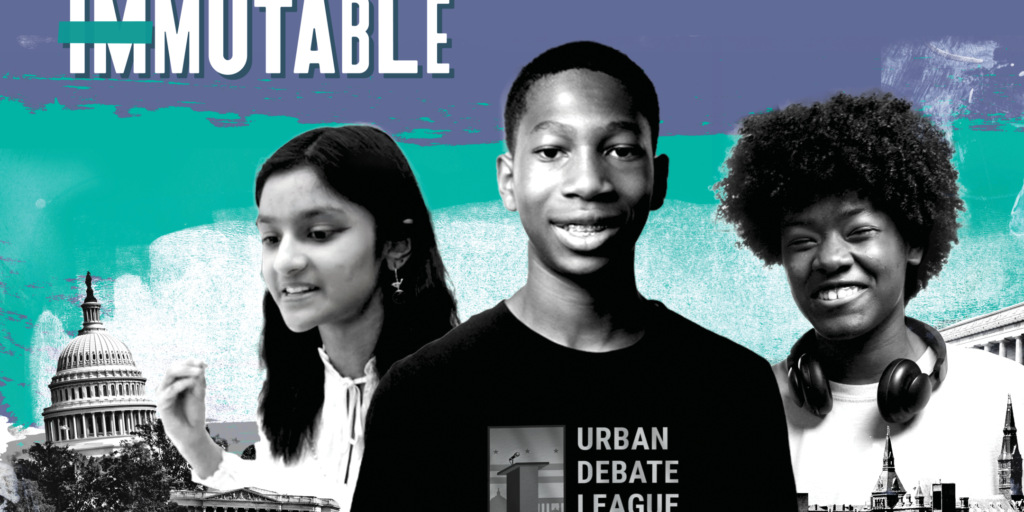
We watch a lot of debate movies around here. Most fall somewhere on a spectrum from charming to cringe-inducing. Who doesn’t love a scene where a plucky underdog clears their throat, delivers a single soaring monologue, and the gavel falls in their favor? It makes for a nice three minutes of screen time, but it has little to do with what actually happens in a competitive debate round.
Immutable, the new feature documentary from PBS, is different. The film follows students from the Washington Urban Debate League through a full season, from camp to the championships, and it is the most accurate portrait of urban debate in the current era that we’ve seen. It doesn’t flatten the activity into a feel-good arc, but lets debate be what it is. We want to invite you to watch it with us.
It puts persuasion at the center
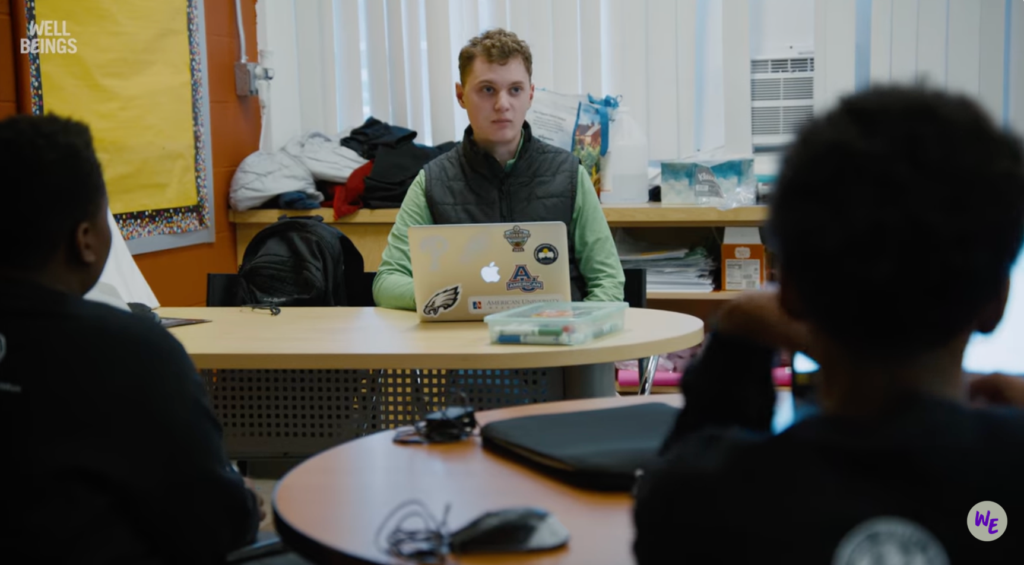
The role of the judge is highlighted in the film. In a scene showcasing middle school debate, the judge encouraged the debaters after providing feedback: “Keep doing this. Like you have the passion, you have the work ethic.”
There’s a myth that debate is won by whoever has the largest stack of evidence cards. In Immutable, over and over, the judges in the film tell students the same thing: step away from the documents and just talk to me. Explain the issue. Make me understand why it matters.
A round is decided by who can take a dense, complicated position and make a real human being in the back of the room follow it and believe it. As one coach in the film frames it, there are many ways to persuade people. Confidence, clarity, the ability to tug at someone’s heartstrings are all tools a debater learns to reach for. One student names the persuasion itself as the part he loves most: the feeling of actually moving a judge. The evidence gets you in the door, but communication wins the ballot. These are exactly the skill these students carry out of the room and into the rest of their lives.
It captures how much thinking happens at once
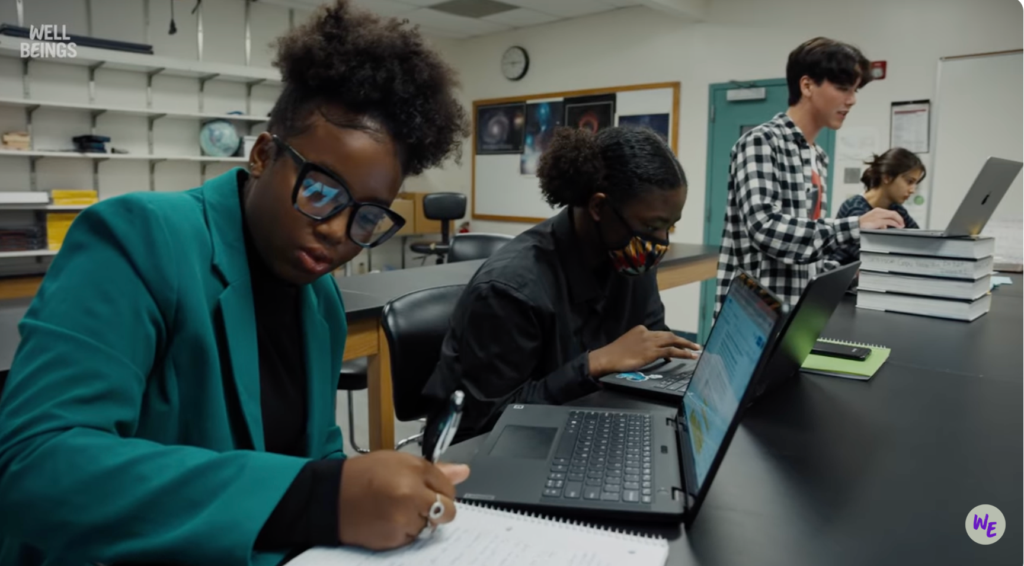
“It feels really quick because you’re writing down the notes as they’re speaking really quickly. Formulating speeches, you’re thinking about questions you’re gonna ask. It’s like playing chess where you have to think four moves ahead on what you’re gonna say, and it’s just, it’s all this stuff happening in your brain. So I blinked my eyes and two hours have passed.”
One student in the film compares a round to playing chess while thinking four moves ahead: writing down an opponent’s arguments as they’re being spoken, formulating your own response, and planning the questions you’ll ask, all simultaneously. She describes blinking and realizing two hours have passed.
That’s the part the public rarely sees. Debate isn’t a contest where you memorize a position and deliver it. Students argue live and and improvise. Coaches in the film have thirteen minutes between rounds to invent a new strategy because the opposing team just watched their best one. The cognitive load is enormous, and the documentary lets you feel it rather than just hear about it.
It shows that students argue both sides, on purpose
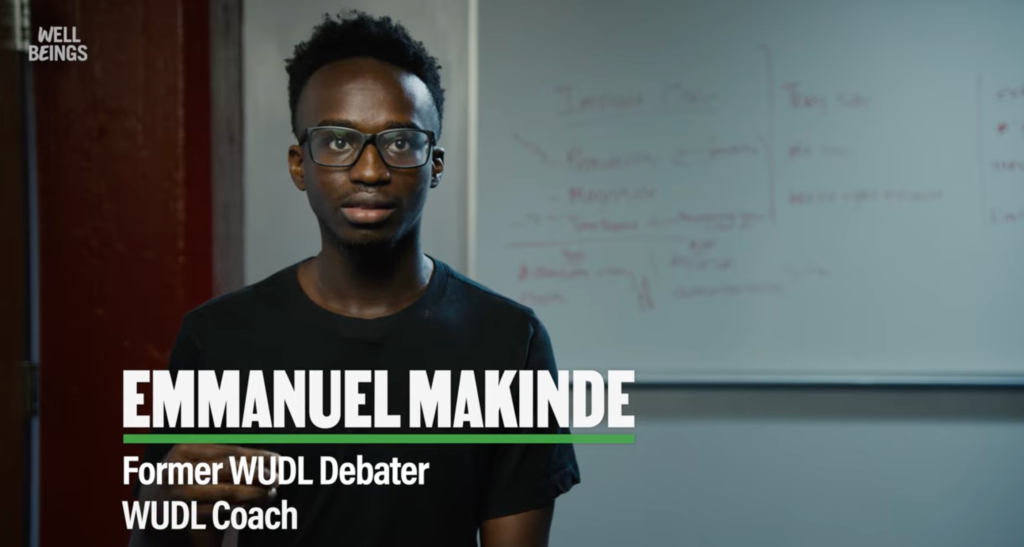
“One of the beauties of debate is that you have to be able to challenge yourself. And the ideas that you don’t agree with, you’ll have to defend them at some point. And that trains you to be a critical thinker. Someone who can see from both sides. Because I think that’s one of the biggest issues in like the world around us today, is that there’s a lot of polarization.”
In policy debate, there’s one resolution for the entire season, and students don’t get to pick a side and stick with it. They argue affirmative in one round and negative in the next. They have examine multiple angles of any given issue, and to be ready to defend a position they personally disagree with.
The film treats this as one of debate’s superpowers. As several students put it, you have to learn to see an issue from both sides. At a moment when so much of public life is defined by polarization, that’s rare training. One debater describes how the activity led him to question beliefs he’d held firmly before he ever started.
It doesn’t pretend the playing field is level
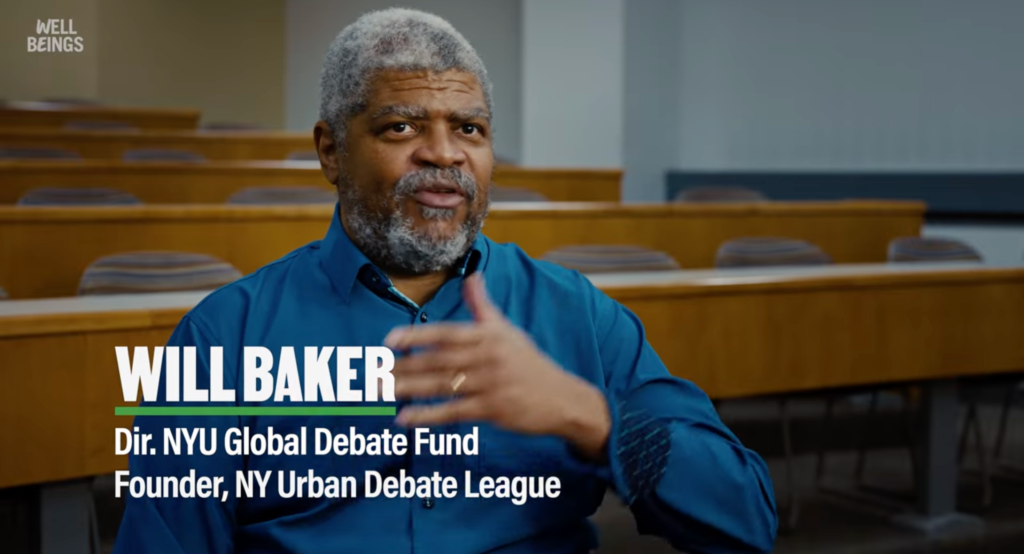
“When I was in high school, there was no urban debate. but you know, definitely nobody looked like me. What debate showed me was a power that didn’t matter how old you were, how much money you had, and I wanted to share that with as many people as I could.”
Immutable highlights the gap urban debate exists to close. The film notes that a single private-school debate program can run on a budget of $150,000 or more, with generations of alumni who return to coach. Urban league teams compete against those programs as heavy underdogs, often without those resources or that institutional history.
It also lays out why these leagues matter. In the city the film centers on, Washington D.C., only one of more than a hundred public high schools had a debate program before the league started building infrastructure where there had been none. The point the film makes – and that we’d make too – is that the talent was always there. The access wasn’t. Urban debate is the work of building that access.
It refuses to separate the debate from the debaters
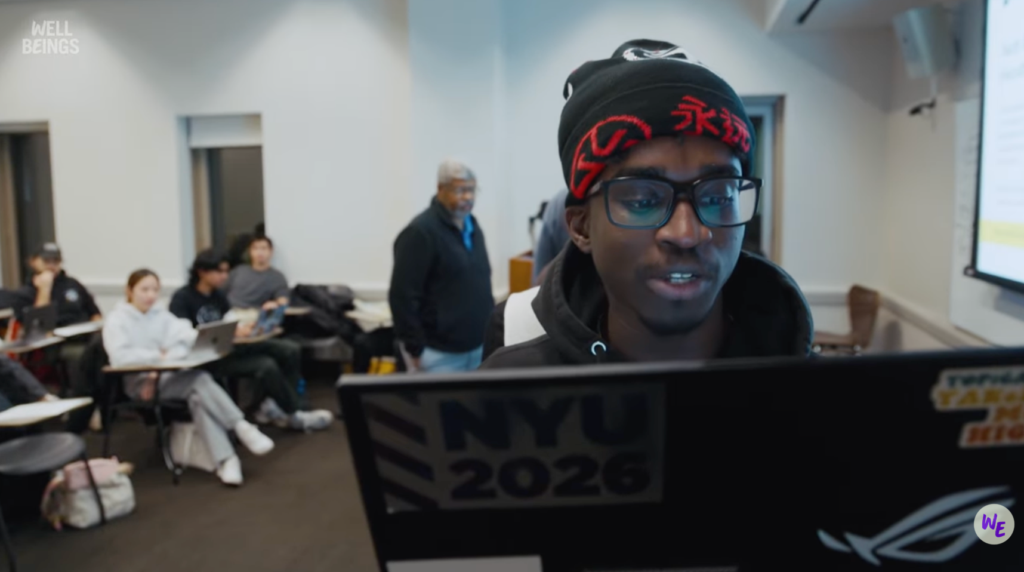
“For me, debate has allowed me to explore not only critical perspectives about my own position as like a Black person in America, but also about other people’s critical perspectives. It’s actually scary the extent to which things that I’ve believed in firmly before debate, I’ve like criticized now myself.”
What elevates the documentary above a sports-highlight reel is that it never lets you forget there are real lives attached to the arguments. A student researches a federal jobs guarantee for autistic people and is, herself, autistic. Another debater connects his case about Social Security in Puerto Rico to the teachers sitting in his own classroom. A parent coaches her son by pushing him past the index cards: think about how capitalism actually touches your grandmother, your father, you.
That’s the thread the title connects with. These students argue policy as something that is not fixed, not immutable. The systems they study can be understood, questioned, and changed, and so can the place they’re expected to occupy within them. The film showcases both the competitive and the human side of debate, which is exactly what urban debate is about.
It puts parents in the frame
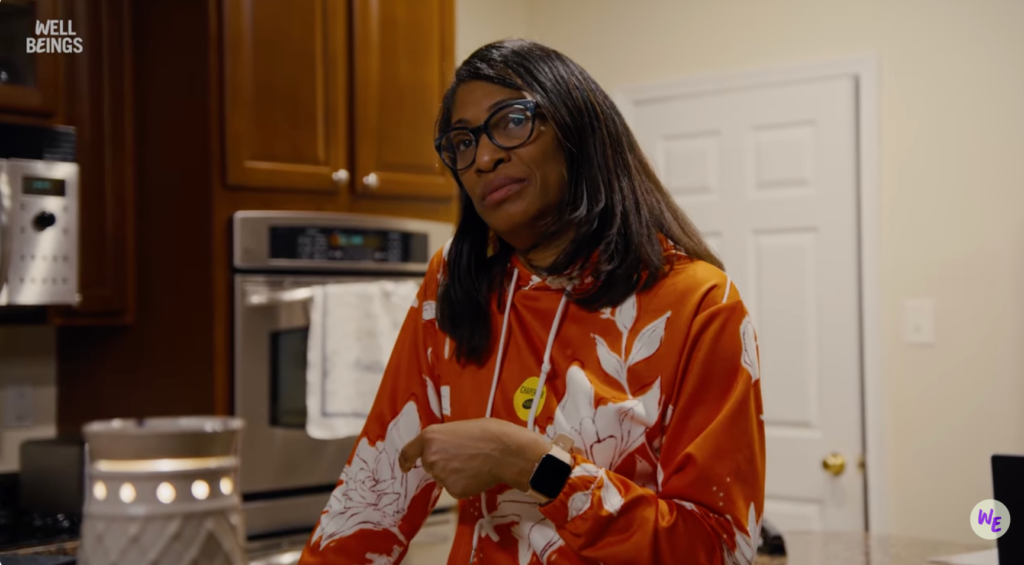
“When you’re telling me about capitalism, I need you to go deeper with it. Think about how it relates to you. How does it impact what’s happening with your grandmother or your dad’s parents or your dad or me… I just made sure that he understood what he’s debating about. That there are real people attached to it.”
Parents are everywhere in this film. You see a mother quiz her son on his case at the kitchen table, refusing to accept a textbook definition until he can connect it to his own family. You see another parent admit that, honestly, her son was bad at first that it was torture to watch him debate. You watch a mom calculate the real cost of dentures against everything else a single income has to cover, and another reckon with a cancer diagnosis while still pushing her kids to keep going. You see a parent describe wanting the box her child thinks inside of to simply be bigger than the one she grew up in.
What the film understands is that for these students, debate is a family affair. Parents are more than spectators: they’re coaches, quiz partners, drivers, and the reason a lot of these kids are in the room at all.
Come watch it with us!
We’re hosting a screening of Immutable, and we’d love for you to be there! Whether you’ve spent years around debate or have never seen a round in your life, you’re welcome. If you’ve ever wondered what these students actually do, or why we believe so deeply in giving more of them the chance to do it, this film provides an answer in less than 2 hours.
Bring a friend, bring your curiosity, and come see urban debate the way it really is.
Screening details
- Free Screening: IMMUTABLE Documentary Watch Party with MNUDL
- Date & Time: Monday, June 22, 2026 · 4:00 PM – 6:00 PM CDT
- Location: Augsburg University, Minneapolis, MN
- Price: Free
About This Event
Join us for a free screening of Immutable, the acclaimed PBS documentary that follows a group of students from the Washington Urban Debate League as they fight to find their voices in a world that too often tries to silence them.
Synopsis: Against the backdrop of a city marked by inequality, these young debaters confront daily challenges that range from housing instability to neurodivergence. For some, debate is a path to college. For others, it’s a lifeline.
Following the 90-minute screening, stay for a conversation with Norman Ornstein, renowned political scientist and emeritus scholar at the American Enterprise Institute, and David Trigaux, Executive Director of the Washington Urban Debate League.
This event is free and open to all ages. Register to attend today.
About the Speakers
Norman Ornstein is one of America’s most respected political scientists. A Minnesota native and University of Minnesota graduate, he is an emeritus scholar at the American Enterprise Institute and author of the New York Times bestseller It’s Even Worse Than It Looks. His son Matthew inspired the founding of the Matthew Harris Ornstein Summer Debate Institute at WUDL.
David Trigaux serves as Executive Director of the Washington Urban Debate League, which serves over 900 students from 80+ public schools in the Washington, D.C. area. The organization’s debaters, including NAUDL’s Debater of the Year, is spotlighted in Immutable.

